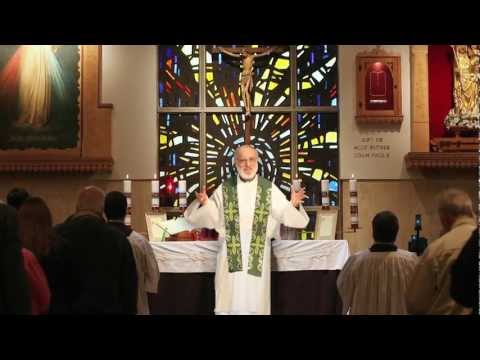
The Film On The Eucharist That Jesus Wants All Humanity To See
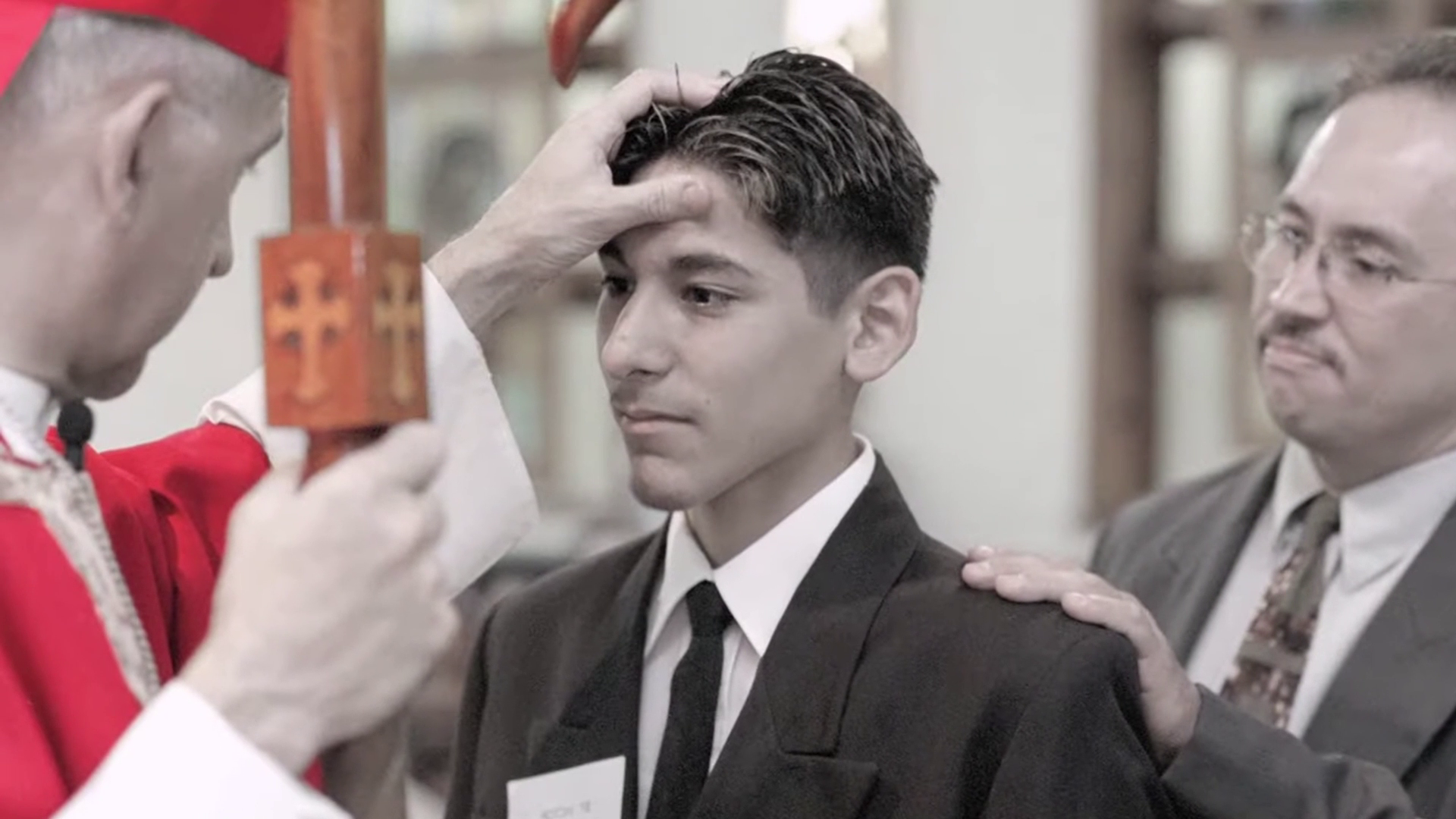
A person’s “First Communion” would be the reception of the body and blood of Christ for the first time, usually around the age of seven.
Catholics believe that the body and blood of Jesus Christ is truly present when they consume the host and/or drink from the chalice. This concept can be difficult for some people to understand. However, there is a rich theological and biblical tradition supporting this belief.
Scripture shows us that the teaching about the Eucharist is consistent with what happened at the Last Supper. This is how Mark relates it in his gospel:
While they were eating, he took a loaf of bread, and after blessing it he broke it, gave it to them, and said, “Take; this is my body”. Then he took a cup, and giving thanks he gave it to them, and all of them drank from it. He said to them, “This is my blood of the covenant, which is poured out for many,” (Mark 14:22-24).
However, the Eucharist is more than “acting out” what happened at the Last Supper. When people gather for the Eucharist/the Mass they come to thank God for the ultimate sacrifice made by Jesus on the cross and his resurrection. The Catechism of the Catholic Church teaches that the Eucharist is:
1363: Not merely the recollection of past events but the proclamation of the mighty works wrought by God for us. In the liturgical celebration of these events, they become in a certain way present and real. This is how Israel understands its liberation from Egypt: every time Passover is celebrated, the Exodus events are made present to the memory of believers so that they may conform their lives to them.
1364: In the New Testament, the memorial takes on new meaning. When the Church celebrates the Eucharist, she commemorates Christ’s Passover, and it is made present: the sacrifice Christ offered once for all on the cross remains ever present.
The Eucharist is therefore a “sacrifice because it re-presents (makes present) the sacrifice of the cross,” (1366).
In the Gospel of John there is a long discourse where Jesus speaks to the crowds telling them that he is the “bread come down from heaven” and that he is the “bread of life”. Reading John 6:51-58 and Mark 14:22-24 can provide a richer understanding of the background and meaning of this sacrament.